Shipping Speed at the Frontier of Applied AI
The gap between research models and production-grade software is wider than most realize. While much of the industry focuses on the models themselves, the real progress happens in the architecture required to make probabilistic systems behave reliably in a deterministic world. Success at this level depends on the ability to move technology out of the lab and into the market with speed and precision.
Building proprietary systems at this level creates technical insight that cannot be gained through observation. A core part of our strategy involves the continuous refinement and recycling of a robust technology stack. With every product shipped, the underlying engine becomes more efficient. The components developed for one solution—whether they handle data ingestion, system monitoring, or orchestration—become the foundation for the next.
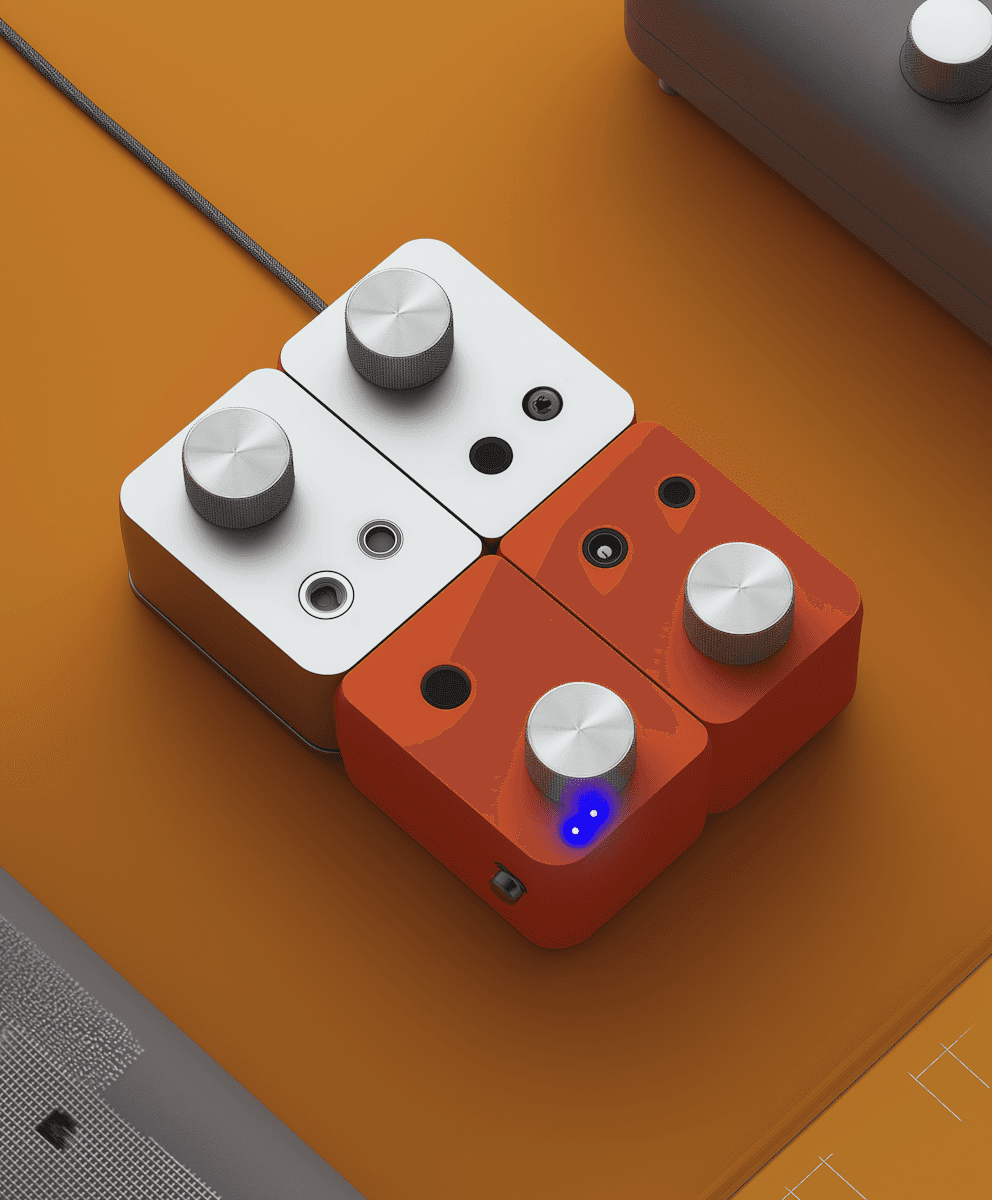
This modularity allows for a significant acceleration from MVP to revenue. Instead of starting from zero, each new build leverages a battle-tested core that has already faced the friction of real-world usage. This creates a compounding effect: the more we ship, the faster and more reliable our development cycles become. We are building a library of technical solutions that handle the messy, unpredictable nature of real-world data at scale.
This is the reality of applied AI. It requires an understanding of how systems behave when thousands of users interact with them simultaneously. We prioritize optimization and resilience because value is tied to the actual performance of the engines being shipped. The frontier of this field belongs to those who are solving the hard engineering problems required to keep systems secure, efficient, and profitable. We take full responsibility for the code we put into the world, ensuring it is not just intelligent, but functional and persistent.
Share on